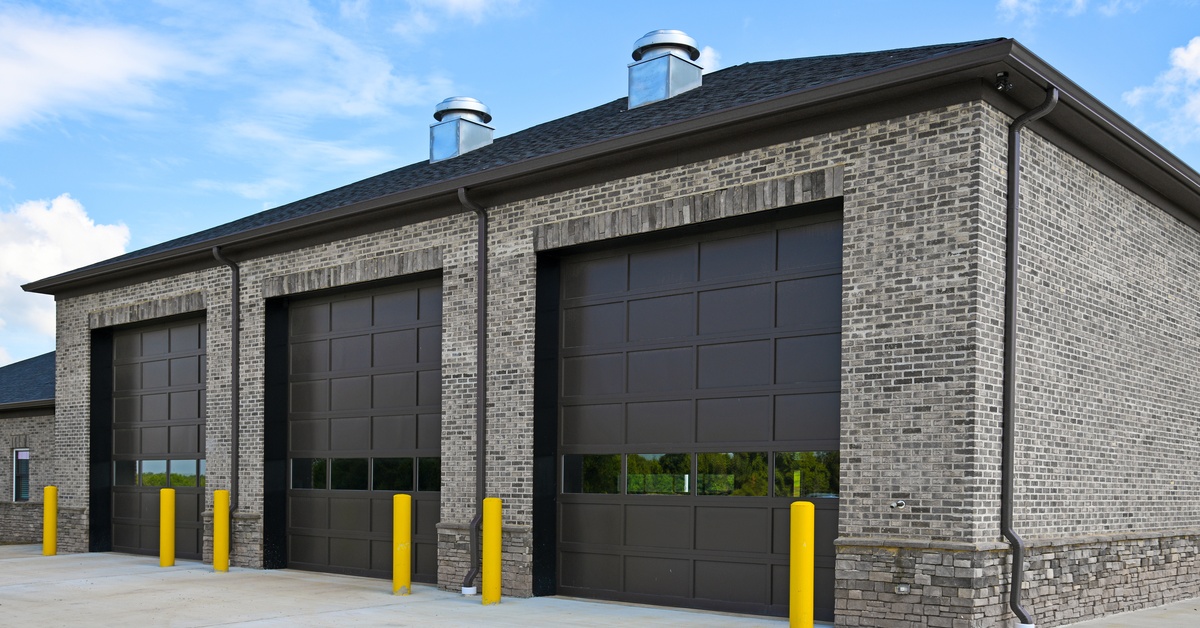
An overhead door does much more than open and close. It keeps your business secure, protects valuable inventory, and helps everything run smoothly day after day. When your overhead door has issues, it can negatively impact your efficiency and security. Many business owners wonder whether they should repair or replace their commercial overhead door. You want a choice that makes financial sense but also supports long-term operations and safety.
The right solution depends on more than the price of repairs. Key factors include how serious the problem is, the age of your current door, how often it breaks down, and whether it still meets your business needs.
Assess the Extent of the Damage
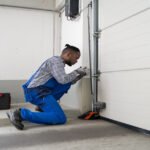
Start by looking at what’s actually wrong. A dented panel or a misaligned sensor is usually easy to fix quickly. It’s a straightforward repair that gets you back to business without much fuss. Skilled technicians can usually handle these repairs on the spot.
Widespread or structural damage, though, tells another story. If you’ve had a vehicle mishap or major weather damage, things get more complicated. Bent tracks, warped frames, or several broken panels can weaken the whole system. In these cases, a full replacement is often the safest choice.
Consider the Door’s Age and Condition
Commercial doors can last up to 15 to 20 years, but time takes its toll on any piece of equipment. If your overhead door is near the end of its lifespan, repeated repairs may not pay off. Old doors break down more often, and sourcing replacement parts grows tougher each year.
Upgrading to a newer model doesn’t just mean fewer breakdowns. Technology, materials, and energy efficiency all improve over time. That means less downtime, better protection, and less hassle for your crews.
Evaluate the Frequency of Repairs
Consider how often repair calls interrupt your schedule. Once in a while is normal, but if your overhead door needs work every few months, that’s a warning sign. Those repeated calls drain your budget, eat into productivity, and indicate reliability problems.
Replacing an unreliable door might cost more upfront, but it puts an end to unplanned repairs and surprise bills. You’ll be able to schedule maintenance more easily and keep your operations running without those unexpected stops.
Analyze the Cost of Repairs Versus a Replacement
Do a quick cost comparison before you decide. If one repair costs more than half the price of a new door, the smarter investment is usually a replacement. Otherwise, you risk spending a lot on a door that you may still end up replacing soon.
Look beyond the visible price tag when weighing repairs. Each repair doesn’t just bring a bill from your service provider. You also have to consider the cost of downtime. Every minute that the door fails to work can cause workflow delays, hinder shipments, or upset customers waiting at your facility’s entrance. Ongoing repairs can chip away at employee productivity, forcing staff to work around faulty equipment or pause operations entirely. If you’re operating with an older, less efficient door, you’re likely also seeing higher utility costs, since poor seals or outdated insulation let outside air in. Over several months, those inflated energy bills and the ripple effect of schedule disruptions can add up to far more than the initial cost of a replacement. When you factor all of these financial drains together, it’s clear that replacement can deliver a stronger return on investment long term.
A new door often comes with a solid warranty for parts and service. That’s a layer of protection for your investment and some peace of mind for you. Fewer repair bills and a stronger sense of security mean greater value beyond the initial expense.
Check for Obsolete or Unavailable Parts
Manufacturers eventually stop producing parts for older models, and finding the right component can turn into a challenge. If sourcing a part requires custom fabrication, the wait and expense might not be worth it. Even a well-maintained system can become unreliable if you can’t get the parts you need.
Upgrading your system ensures that future repairs go smoothly. Modern commercial overhead doors use components that you can easily order or stock, so downtime stays brief when service is needed.
Determine if Your Door Meets Current Safety Standards
Safety regulations and standards change constantly as technology advances. If your overhead door lacks modern safety features, like photo-eye sensors or automatic reverse functions, it puts people and property at risk.
Older doors that don’t meet regulations put you on the hook if there’s an accident. Upgrading to a modern door brings peace of mind and a safer environment for employees and visitors.
Consider the Impact on Energy Efficiency
Commercial facilities often lose energy through old or poorly insulated doors. Every gap, worn seal, or thin panel means higher costs for heating and cooling. If you notice a draft or struggle with temperature control, your overhead door could be to blame.
Modern insulated doors provide a better thermal barrier. That keeps climate control costs in check and boosts comfort for employees. High-quality insulated doors use materials and seals designed specifically to minimize air leakage, preventing drafts that can send your utility bills soaring during extreme weather. Features like weatherstripping, thick polyurethane cores, and tight perimeter seals all work together to keep conditioned air inside and outdoor air out, no matter the season. Businesses that upgrade to insulated models frequently see a measurable reduction in energy expenses, sometimes resulting in hundreds or even thousands of dollars in annual savings for larger properties.
Over time, those savings can help make up the difference in your initial investment. Upgrading means you protect your facility, reduce energy waste, and demonstrate responsible stewardship of both your budget and the environment.
Think About Security and Technology Upgrades
Reliable security is non-negotiable for any business. Older doors can become weak points, especially if locking systems or access controls haven’t kept up with advances in technology. Replacements offer tighter security and smart features, like app-based operation and monitoring.
With upgraded tech, you control who enters and when—no matter where you are. That means fewer worries about theft, tampering, or access issues.
Evaluate How the Door Affects Your Business Image
Appearances matter. A rusted, battered, or malfunctioning door says more than you’d think. Customers and partners notice the state of your property, and a run-down entrance may suggest poor maintenance elsewhere.
A replacement commercial garage door improves first impressions. A sharp, reliable, and attractive door signals you care about quality, safety, and professionalism.
Assess if the Door Still Meets Your Business Needs
Your business may have evolved since the last door went in. Maybe your team needs faster loading, extra clearance, or greater protection. If your operations have changed, an old door can stand in the way.
With a new setup, you can match features to your workflow. Consider these options:
- High-speed doors for busy docks and frequent deliveries
- Full-view glass options for showrooms and natural light
- Heavy-duty steel doors where security is top priority
Matching your door to your current needs boosts speed, efficiency, and overall satisfaction. Partnering with a reputable provider helps you weigh choices thoughtfully. At the end of the day, whether you decide to repair or replace your commercial overhead door hinges on a realistic look at cost, safety, business performance, and peace of mind.