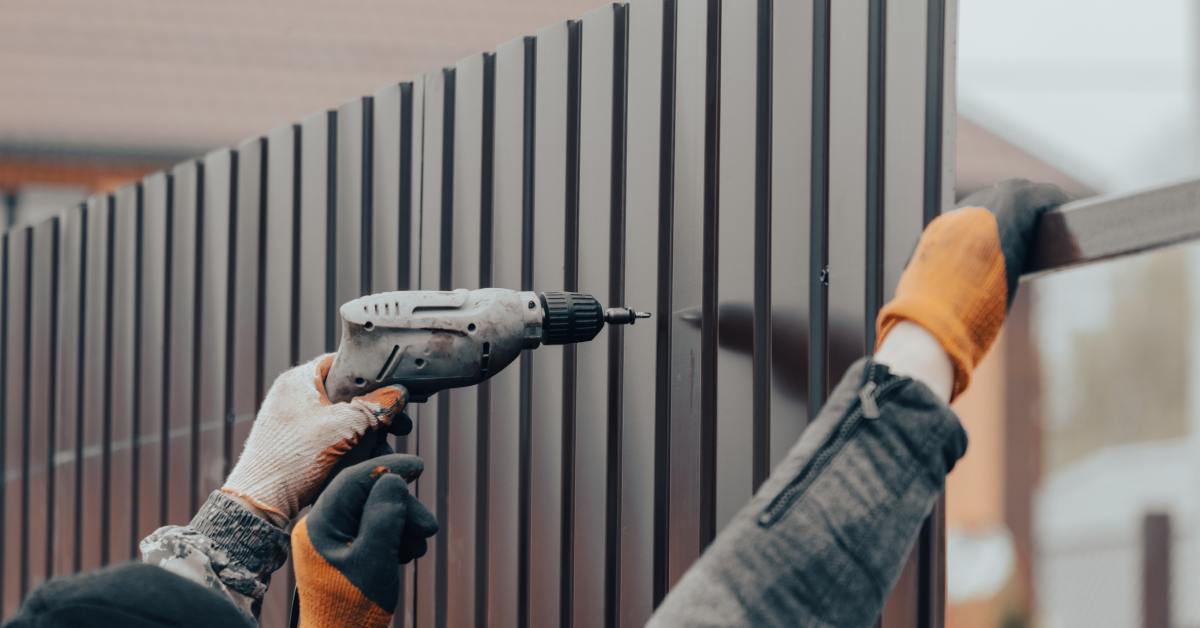
Choosing to install a fence transforms the way you use and enjoy your property. A new fence provides privacy, protection, and a sense of ownership, all while elevating your home or business’s exterior. Before breaking ground, learning what to know before having a new fence installed ensures your investment delivers the results you expect. Careful planning paves the way for a smooth installation and a result you’ll appreciate for years.
You’ll want to move step by step, from deciding why you need a fence to understanding city or county rules, to get the best outcome. When you approach the process with solid information, you’ll be happy with the result and more likely to choose the right partner for the job.
Identify Your Main Objective
Think about exactly why you’re adding a fence. Are you looking for more privacy, peace of mind for kids and pets, or increased security for your business? Your answer will shape decisions about the look, size, and materials of your fence.
For example, if privacy is the main reason, you’ll need a solid fence at least six feet tall. Decorative fences, which focus on style, are often shorter and feature custom patterns. Security fences use stronger materials and might include extra features to deter intruders. Nailing down your main goal at the start will keep the whole process on track.
Learn Local Zoning and Code Requirements
Always check your local regulations before you break ground. Most cities and counties have detailed rules about what kinds of fences you can build, how tall they can be, and where you can place them.
A quick call to your city’s planning office or a look online will help you find out if you need a permit and what the requirements are. Some places require specific distances (setbacks) between your fence and streets or sidewalks. Taking the time to get this step right helps you avoid costly changes or neighborly headaches later.
Find Your Exact Property Lines
Don’t guess where your property ends. This can create headaches in the future. You want to be certain you know your exact property boundaries. Putting a fence just a few inches onto a neighbor’s lot can spark arguments and legal troubles.
Usually, your property survey or plat map will clear things up. If you can’t find one, consider hiring a surveyor. It’s a small upfront cost that can spare you future stress and expenses by ensuring your fence sits exactly where it should.
Call Before You Dig
Digging post holes means you could hit buried gas, electric, or water lines, posing safety risks and big repair costs. Most states offer free “call before you dig” services. Look up your local number or submit a request online multiple days in advance. Someone will come out and mark where the utility lines are with paint or flags so you can work safely and avoid service interruptions.

Decide on Your Materials
Your fence needs to hold up against weather, time, and daily use. The right material will match your local climate and your goals for appearance, cost, and upkeep. Here’s a look at the most popular options.
- Wood isnatural, versatile and great for privacy. It requires regular staining or sealing to stay protected.
- Vinyl (PVC) is durable, looks sharp, and needs little maintenance. It won’t rot or chip, and comes in several styles and colors.
- Aluminum is lightweight, rust-resistant, and attractive for both security and decoration.
- Steel is exceptionally strong and ideal for businesses wanting top-notch security. It will last for decades with a protective finish.
Each type brings unique pros and cons, so it’s a good idea to balance budget, looks, and maintenance requirements. Contractors with local experience can help you determine the best options.
Assess Long-Term Upkeep
Every fence will need maintenance to continue looking good and working as it should. Wooden fences take the most attention. They typically require an annual staining or painting. Vinyl and aluminum fences keep things simple, with an occasional wash being enough. Plan for upkeep in your schedule and budget, as it’s the key to protecting your investment over time.
Choose a Fence Style That Fits Your Property
A fence does more than mark your boundaries; it can boost the style of your home or business. Match the design with your building’s appearance. Sleek vinyl panels make modern homes stand out, while a classic wooden picket fence suits a traditional home.
To find styles you like, drive around your neighborhood or browse local photos. When your new fence fits your property’s character, you improve your curb appeal and your property value.
Talk With Your Neighbors
It’s not required, but letting your neighbors know about your plans builds goodwill. Sharing the location, size, and style helps avoid surprises and gives neighbors a chance to ask questions or raise concerns. Sometimes you’ll even find a neighbor interested in sharing costs if the fence benefits both yards. Open communication keeps small issues from becoming big ones.
Map Out Gates and Access
Think carefully about how you’ll move in and out of the fenced area. Do you need a wide gate for a truck or mower? Will a smaller entrance work for the typical foot traffic? Decide whether your gates should swing in or out, and make sure to account for latches and locks, especially where privacy or security matter most. Getting these details right from the start ensures your fence works for your everyday needs.

Work With a Professional Installer
It’s tempting to try a DIY fence build, but the best results usually come from experienced professionals. Skilled teams know how to handle slopes, soil issues, and tricky layouts, all while following local codes. They’ll also help you select durable materials and ensure your gates work seamlessly. Relying on an expert for fence installations means getting peace of mind, a strong result, and a fence that’s built to last.
Set a Realistic Budget and Timeline
Fences are investments. They come with costs for materials, labor, and sometimes permits. Shop around for estimates from several reputable installers. Ask for clear quotes, and don’t forget to include a cushion for unexpected issues that may pop up along the way.
Working closely with your contractor lets you agree on a timeline from start to finish. When you know what to expect before having a new fence installed, you’ll feel prepared and confident, from day one until the final post is set.