A garage door can work every day without much thought until it starts sounding different or moving unevenly. Routine service gives a trained technician a chance to spot wear before it becomes a more disruptive problem. Knowing what to expect during a professional garage door tune-up makes the appointment easier to understand because you can see how each check relates to the way your door operates. The goal is to keep the system working safely and reliably.
What Happens Before the Tune-Up Begins?
A technician will usually start by asking whether you have noticed any changes in the way your garage door operates. New noises or slower movement can offer useful clues before the inspection begins. The same is true of occasional sticking or opener problems that may not happen during every cycle.
Next, the technician operates the door through a complete opening and closing cycle. They watch for uneven travel and other movements that suggest the system is working harder than it should. This first check provides a baseline before any adjustments are made.
From there, the technician can look more closely at the individual components. Since all of the parts of a garage door work together, the inspection considers the entire system rather than focusing only on the symptom you first noticed.
What Gets Inspected During the Tune-Up?
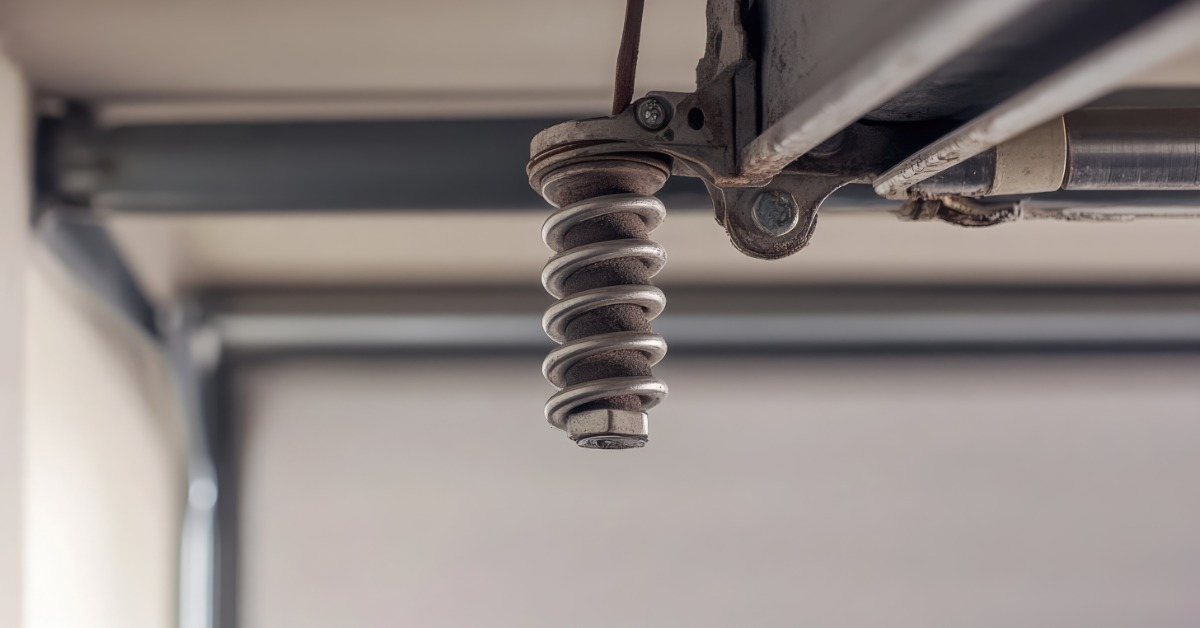
The inspection covers the components that guide and balance the door. Springs and lift cables receive close attention because they handle significant tension whenever the door moves. Rollers and related hardware are also checked for wear or damage that could interfere with normal operation.
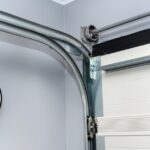
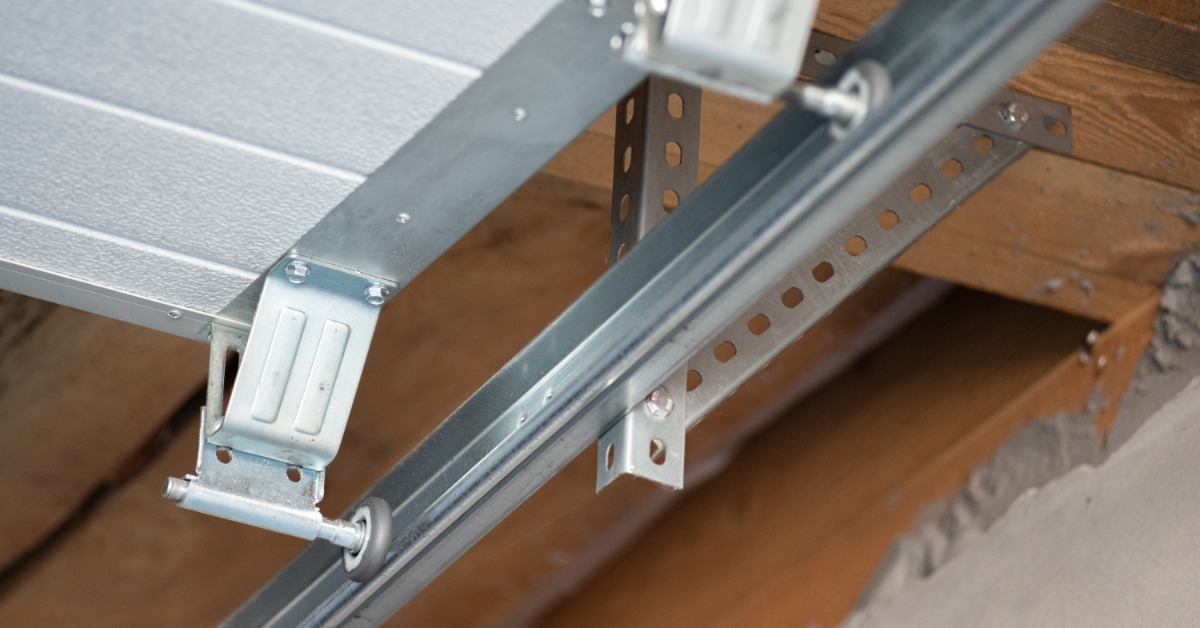
For residential sectional garage doors, the technician also looks at how each hinged panel travels through the track system. The sections should move smoothly as the door transitions from the vertical tracks beside the opening to the horizontal tracks near the ceiling. Uneven movement may point to a problem with the hardware or the door’s balance.
A typical inspection may include checks for:
- Frayed or damaged lift cables
- Worn or rough-moving rollers
- Loose hinges, brackets, or fasteners
- Bent or shifted tracks
- Worn weather seals around the opening
- Visible spring wear or corrosion
These checks give the technician a clearer picture of the door’s overall condition. They also help separate normal wear from problems that may require repair.
What Gets Adjusted During the Tune-Up?
Garage door hardware experiences vibrations every time the system opens and closes, so some parts can loosen gradually. A technician may tighten appropriate fasteners or correct minor alignment issues that affect the way the door travels. These adjustments can help reduce unnecessary movement and strain.
Door balance is another important consideration. The spring system counterbalances the weight of the garage door so the opener does not have to lift the full load by itself. When the balance is off, the door may feel unusually heavy or move unevenly.
The tracks may also need attention if the rollers are not traveling cleanly. Minor alignment problems can sometimes be corrected during routine service, while bent or damaged tracks may call for more significant repairs.
Spring and cable adjustments should remain professional service tasks. These components operate under high tension, and improper handling can cause serious injury or additional damage.
What Gets Lubricated During the Tune-Up?
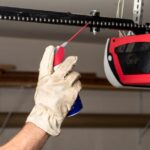
Moving garage door parts need appropriate lubrication to operate smoothly. During a tune-up, a technician may apply garage-door lubricant to the moving components where friction occurs. Proper lubrication helps those parts work without unnecessary resistance.
Using more lubricant does not automatically improve performance. The wrong product or an excessive amount can attract dirt and lead to buildup. A trained technician knows which parts should receive lubricant and which areas should remain clean.
Tracks are a good example. The rollers need a clear path, so dirt and small debris should be removed rather than coated with lubricant. Routine cleaning can help prevent buildup from interfering with the door’s movement.
Noise also deserves a closer look before assuming lubrication will solve it. A mild squeak may improve with maintenance, while grinding or banging can indicate worn or misaligned components that require more attention.
What Gets Tested During the Tune-Up?
After inspecting and servicing the mechanical components, the technician operates the garage door again. They watch how it moves and listen for sounds that were present earlier. This second check helps confirm whether the adjustments improved any of the issues from earlier.
If the door has an automatic opener, its safety features also need attention. Photo-eye sensors near the bottom of the opening detect objects in the door’s path. The technician can check whether those sensors are properly aligned and responding as intended.
The auto-reverse function may also be tested. This feature is designed to stop and reverse the door when the system detects an obstruction. A problem with that response can indicate an issue that needs further attention.
The opener itself can provide additional clues. Delayed responses or unusual vibrations may point to an opener problem, but it can also happen when the door is placing excess strain on the motor. Looking at both parts of the system helps the technician identify the likely cause.
What Should You Expect After the Tune-Up?
A professional tune-up should leave you with a clearer understanding of your garage door’s condition. If the technician finds worn parts or damage, they can explain what needs attention now and what can be monitored. That gives you a better opportunity to plan for repairs instead of waiting for a component to fail unexpectedly.
Not every tune-up results in additional repair work. Some garage doors may only need routine maintenance and minor adjustments. Others may have a worn component that should be addressed.
This is also a good time to mention changes you have noticed between service visits. A sound that appears only occasionally or an opener that behaves differently under certain conditions may not happen while the technician is there. Those details can give the technician useful context.
Knowing what happens during a professional garage door tune-up also helps distinguish safe homeowner maintenance from work that requires training. You can keep the track area free of debris and watch for changes in operation. Work involving high-tension components should be left to experienced professionals.
What Makes Routine Tune-Ups Worth Scheduling?
A garage door tune-up is not about replacing parts that still work. It gives a technician an opportunity to check how the system is wearing and correct minor issues when appropriate. The visit also provides a chance to confirm that important safety features continue to operate properly.
The Door & Fence Store has served Central Iowa since 1976 and provides professional garage door service for local homeowners and businesses. If your garage door is due for maintenance or has started operating differently, contact our team to schedule service. An experienced technician can inspect the system, explain what they find, and recommend the appropriate next steps.