A warehouse door affects far more than access. It shapes traffic flow and can influence how efficiently a facility operates throughout the day. Choosing overhead doors for busy warehouses starts with understanding how each opening is used and what the door must handle during a typical shift. The right system should fit the workload without causing unnecessary delays or maintenance problems.
Match the Door to Daily Warehouse Activity
Start with the movement around the opening. A door used for occasional deliveries has different demands than one serving a busy loading area throughout the day. Opening frequency matters because every door and operator is designed for a certain level of use. Matching the equipment to that workload supports more reliable operation.
Think about the busiest part of the day, not just the average. A warehouse may have quiet periods followed by several hours of constant traffic. The door needs to keep pace during those heavier windows without becoming a bottleneck.
Clearance is just as important. Measure the largest vehicles and equipment that will pass through the opening, then allow enough room for safe movement. Check the approach as well so drivers can enter and exit without tight turns or obstructions.
Before comparing products, document a few practical details:
- How often does the door open during a normal shift?
- Which vehicles, equipment, and employees use the opening?
- How much headroom and side room surround the doorway?
- What security does the facility need after hours?
Compare Door Styles for Each Opening
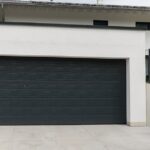
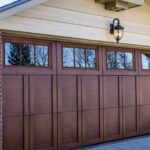
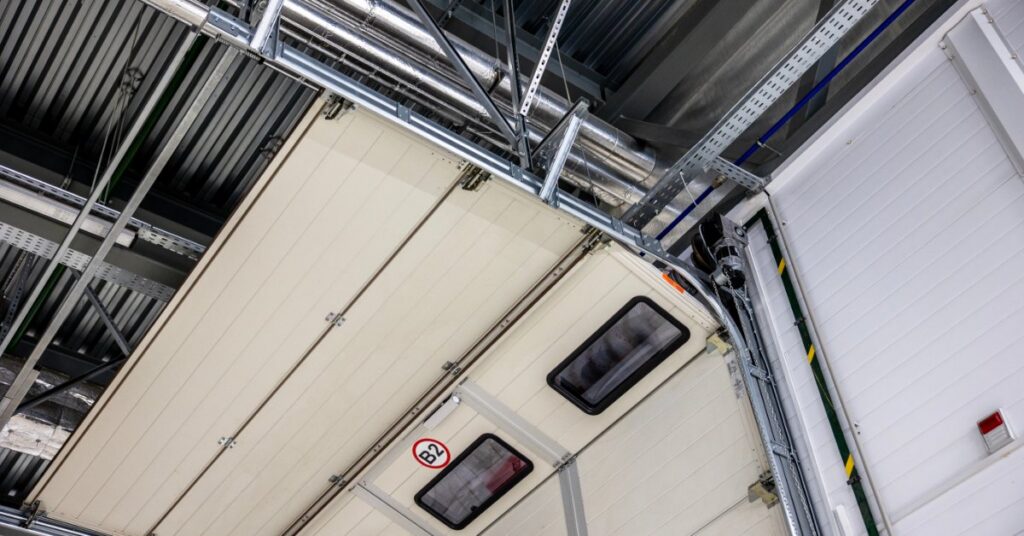
Sectional overhead doors use horizontal panels connected by hinges. As the door opens, the panels follow tracks and move overhead. This style works well for many warehouse openings because it can provide insulation and window options. Individual sections may also be replaced if a panel becomes damaged.
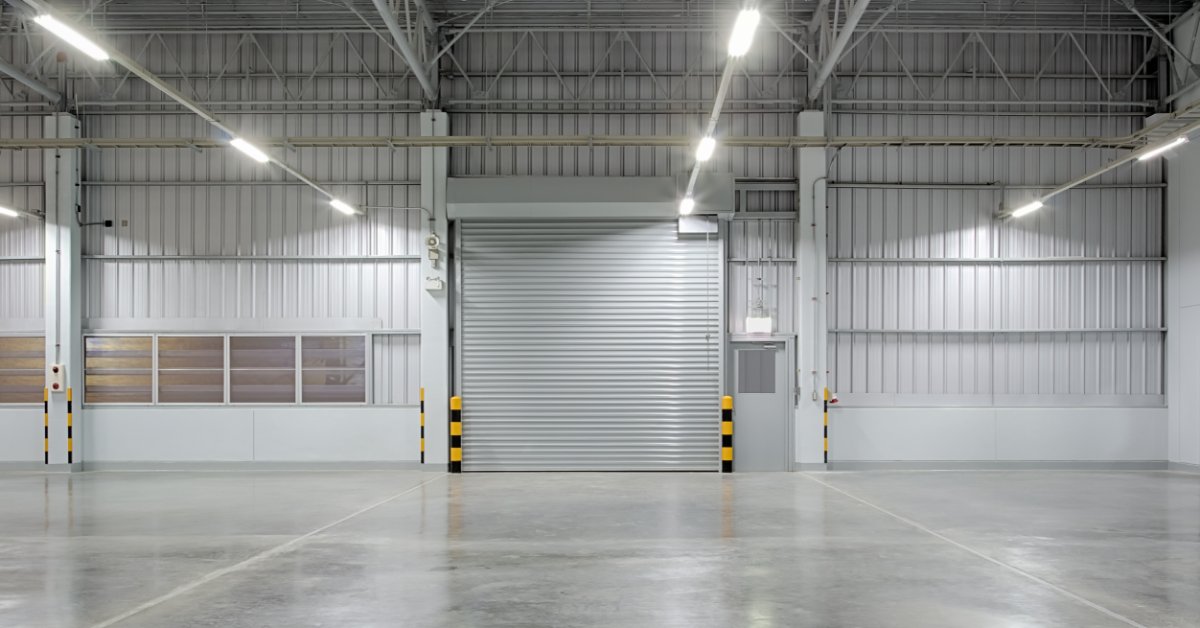
Rolling steel doors use narrow metal slats that coil above the opening. Their compact design can be useful where ceiling space must remain clear for storage or building systems. They also provide a strong barrier where security is a priority.
High-performance doors are designed for faster movement and repeated cycles. They may make sense for interior traffic lanes or conditioned spaces where delays can affect production. Speed alone should not drive the decision, though. The door still needs to fit the opening and its surrounding environment.
A single warehouse may need more than one door style. Loading areas and maintenance bays can have very different operating needs. Interior zones may require another solution altogether. Choosing each door by location creates a more practical system than using the same product everywhere.
Determine the Construction Based on the Warehouse Environment
Door construction affects durability and upkeep. Steel panels and slats are common in commercial settings because they can withstand regular use while providing dependable security. The hardware and tracks should also be suited to the door’s size and weight.
Insulation matters when the warehouse is heated or cooled. It can also help when an opening connects to offices or temperature-sensitive areas. Insulated warehouse garage doors may reduce heat transfer while closed, especially when the perimeter seals fit correctly.
Weather exposure should be part of the discussion for exterior openings. Central Iowa facilities may face strong wind and blowing snow. Moisture and large seasonal temperature changes can also take a toll. Durable finishes and effective weather seals help protect the opening and the materials stored inside.
Pay close attention to areas where equipment could strike the door. Forklift contact can damage tracks and lower panels even when the impact seems minor. Sensors may also be knocked out of position. Protective barriers can reduce that risk in high-traffic zones.
Select an Operator That Fits the Workload
The door operator provides the power needed to move the system. It must match the door’s size and weight, but those are not the only factors. Frequency of use and the required opening speed also affect which operator is appropriate.
Controls should make sense for the people using the doorway. A wall station may be enough for a supervised loading area. Vehicle sensors or another activation method may work better where drivers need to keep traffic moving without leaving the cab.
Think about visibility when placing controls. Employees should be able to confirm that the opening is clear before activating the door. That simple detail can help prevent contact with equipment or people.
Backup operation is also worth planning. A power outage or operator problem should not leave an essential opening unusable without a safe response. Ask how trained staff can operate the door manually and what procedure the facility should follow during an interruption.
Build Safety Into the Process
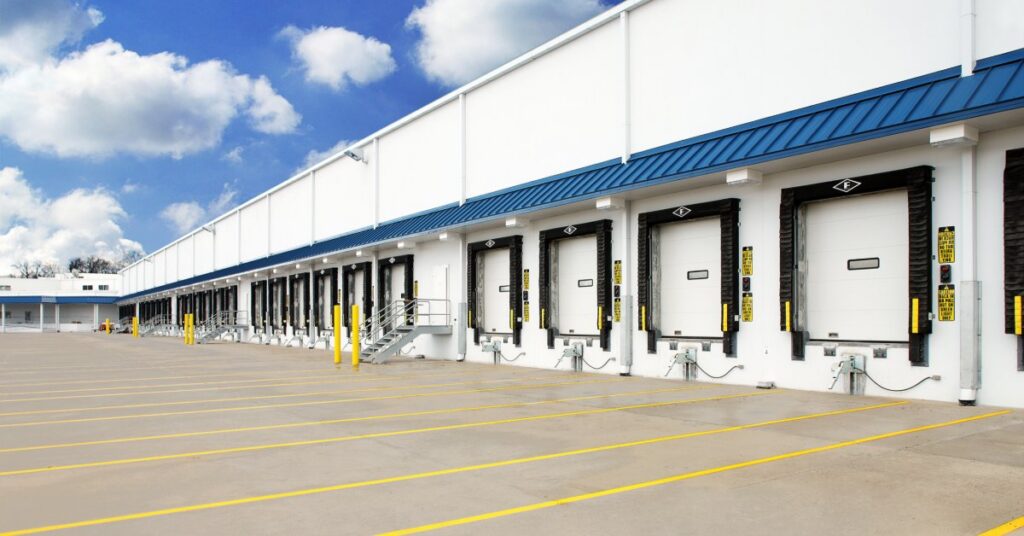
A warehouse doorway often brings employees and moving vehicles into the same space. Safety devices help reduce risk by detecting obstructions or warning people when the door is moving. The setup should reflect the traffic patterns around the opening.
Photoelectric sensors use a beam to detect an object in the door’s path. Light curtains monitor a broader area with multiple beams. Warning lights or audible signals may also help in noisy work zones where employees cannot easily hear the operator.
Safety depends on daily habits as well as equipment. Employees should know who may operate the door and when pedestrians have the right of way. They should also understand how to report unusual movement or a delayed response. Damaged components need prompt attention, too.
Keep the area around the tracks and sensors clear. Storage placed too close to the opening can block equipment or make damage harder to notice. A clean work zone also improves access during inspections.
Plan for Maintenance Before Installation
Busy overhead doors should be treated as operating equipment, not passive building features. Moving parts and safety devices all need periodic attention. Planning for service access before installation makes those inspections easier to complete.
Ask what maintenance schedule the proposed door requires. The answer may vary based on the door style and operating frequency. A high-cycle opening may need more frequent attention than a door used only a few times each day.
Employees can help by watching for early warning signs. Uneven movement and new noises should be reported promptly. A door that closes incompletely or responds slowly also deserves professional attention.
Repairs involving high-tension components should be left to trained technicians. Electrical controls also require the right tools and experience. Professional service helps address the cause of the problem rather than only the visible symptom.
Partner With a Local Commercial Door Team
Knowing how to choose overhead doors for a busy warehouse means looking beyond the initial price. The best system fits the traffic pattern and building conditions. It should also support the facility’s safety and maintenance needs. Professional measurements and product recommendations can bring those details together before installation begins.
The Door & Fence Store has served Central Iowa since 1976. Our team installs and services commercial overhead doors, with 24/7 emergency support available when an unexpected problem affects your facility. Contact us to request a free quote and discuss a durable door system built around your warehouse’s workload and security needs.