Choosing the right commercial door affects how your building operates every day. From security to efficiency, the door you install plays a role in daily performance and long-term durability. When comparing rolling doors vs. sectional steel garage doors, it helps to understand how each option works and where it fits best. Knowing these differences upfront helps you avoid costly missteps.
How Rolling Doors Operate
Rolling doors use interlocking slats that coil into a compact drum above the opening. This setup lets the door roll straight up without needing overhead tracks across the ceiling. That makes them a strong fit for buildings where keeping ceiling space clear matters.
You’ll often see rolling doors in warehouses, storage facilities, and service buildings. Their simpler design means fewer moving parts, which can help reduce wear over time. Many models also include reinforced slats built to handle frequent use and changing weather conditions.
How Sectional Steel Doors Operate
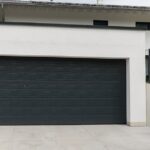
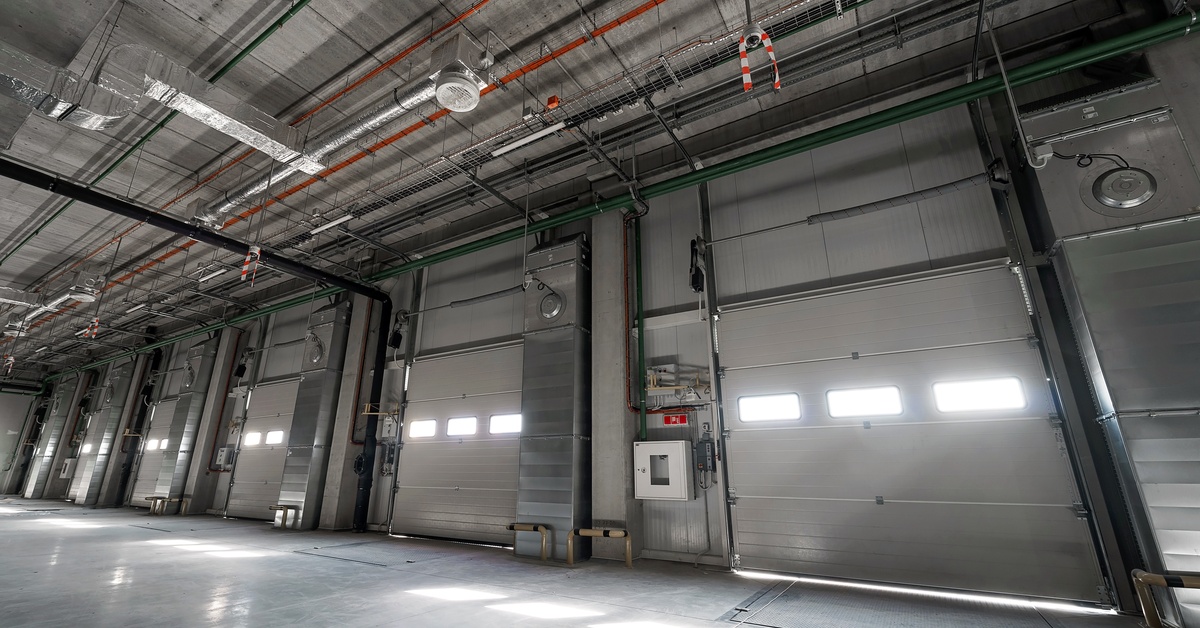
Sectional steel garage doors are made up of horizontal panels connected by hinges. These panels move along vertical tracks and curve back to rest along the ceiling when the door opens. This setup keeps the door out of the way while maintaining a tight seal when closed.
For many businesses, sectional doors offer a practical mix of strength and flexibility. They’re often insulated, which helps regulate indoor temperatures and improve energy efficiency. That can make a noticeable difference in buildings connected to offices, retail areas, or climate-sensitive storage.
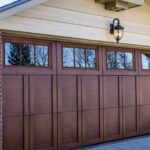
They also offer more design flexibility than rolling doors. You can choose from different finishes, window options, and insulation levels to match your building’s appearance. That balance of performance and appearance makes them a common choice for commercial properties.
How To Compare Both Options
When deciding between these two options, it helps to look at how they perform in everyday use.
Here’s a quick breakdown to keep in mind:
- Space Requirements: Rolling doors keep ceilings clear, while sectional doors use overhead track systems.
- Durability: Rolling doors handle frequent cycles, while sectional doors offer balanced strength.
- Maintenance: Rolling doors have fewer components to maintain, while sectional doors require track and panel upkeep.
- Insulation: Sectional doors provide better thermal control, since rolling doors are typically non-insulated.
- Design Options: Sectional doors offer more customization, while rolling doors focus on function.
The best option comes down to how your building operates day to day. If you need to maximize interior space and handle frequent use, a rolling door may be the better fit. If insulation, appearance, and flexibility matter more, a sectional steel door is often the stronger choice.
Making the Right Choice for Long-Term Performance
Choosing the right door isn’t just thinking about what’s best for today—it’s about how it will perform over time. The right system supports daily operations and holds up under regular use.
If you’re planning a commercial garage door installation in Central Iowa, The Door & Fence Store is ready to help. Our team delivers expert service with 24/7 emergency support and durable solutions built for your needs. Contact us today for a free quote or to schedule service for your commercial garage door.