You press the garage door opener, expecting the door to lift, but instead, you hear a grinding noise or nothing happens at all. A malfunctioning overhead door can throw off your entire day, especially when your vehicle is trapped inside or your garage won’t close securely. Understanding why overhead doors fail and how to prevent it can help you recognize trouble before you’re dealing with a breakdown.
Most overhead doors show signs of wear before they stop working. Unusual sounds or difficulty opening can point to problems developing behind the scenes. Knowing what causes these issues helps you take action early and keep your door working reliably.
Why Do Overhead Door Springs and Cables Fail?
Your overhead door relies on springs to counterbalance its weight, making it easier to raise and lower. Every time the door operates, those springs stretch or twist under tension. Eventually, repeated use weakens the metal, and a spring can break without much warning.
Lift cables work alongside the springs to support the door as it moves. Over time, the cables can fray from repeated movement or rubbing against other components. If one breaks, the door may hang crooked or become stuck halfway through opening.
A broken spring sometimes announces itself with a loud bang from the garage. You might also notice a visible gap in the spring above the door or find that the opener suddenly can’t lift it.
Regular inspections help catch worn components before they fail. A technician can examine the cables, check the springs, and determine whether replacement is necessary. Never attempt these repairs yourself because the tension involved can cause serious injuries.
Why Do Overhead Door Tracks and Rollers Wear Out?
Tracks guide your garage door along its path, while rollers allow it to move smoothly. When these parts wear out or shift out of alignment, the door may shake, stick, or make unusual noises. Ignoring that resistance can place additional strain on the opener.
Rollers experience friction every time the door moves. Their bearings can deteriorate, and the roller surfaces may crack or become uneven. You might hear squeaking or grinding as they struggle to travel along the tracks.
Tracks can also bend when struck by a vehicle or other equipment. Even a minor dent may interfere with the rollers, causing the door to move unevenly. If the problem gets worse, a roller could leave the track entirely.
Keeping the tracks clear of stored belongings helps prevent accidental damage. You can also wipe away accessible dirt and debris, but avoid adjusting the metal tracks yourself. If the door starts moving crookedly or a roller comes loose, stop operating it and schedule professional service.
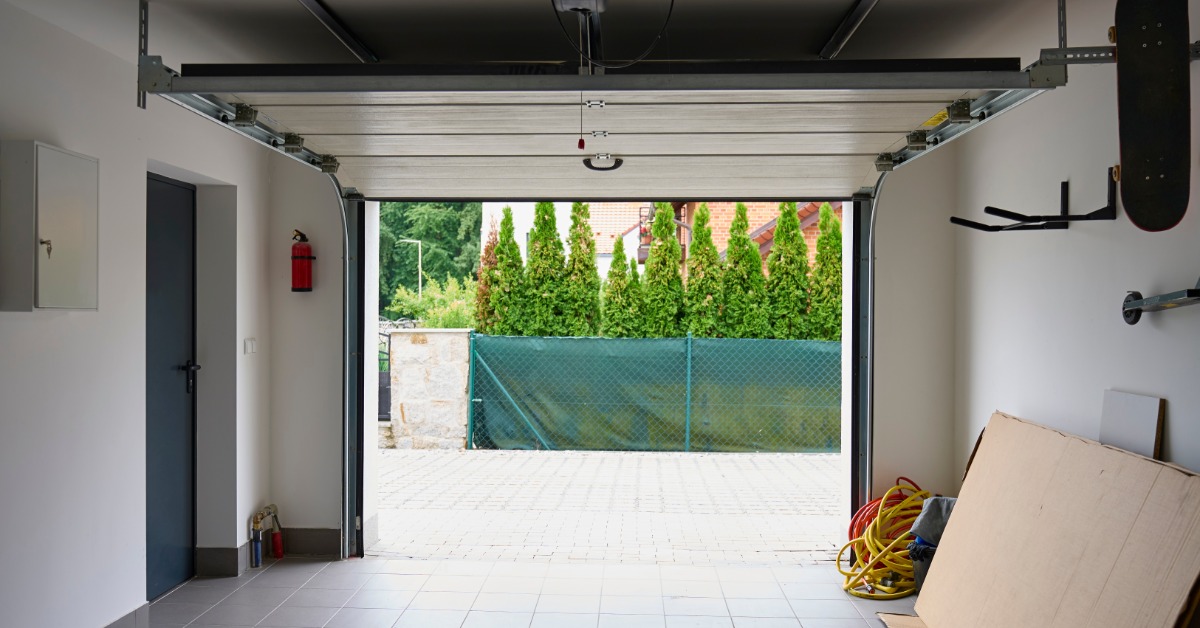
Why Do Overhead Door Openers Stop Working?
Sometimes the overhead door itself is in good condition, but the automatic opener is causing trouble. Motors and internal gears wear with repeated use, especially when the system must work harder than intended. Electrical issues can also prevent the opener from responding.
A poorly balanced door is one common reason an opener struggles. When the springs aren’t supporting the door’s weight properly, the motor takes on extra strain. Replacing the opener without correcting the balance problem may leave the underlying issue unresolved.
Other common opener problems include:
- Dead remote batteries that prevent the opener from receiving commands
- Misaligned safety sensors that stop the door from closing
- Worn internal gears that interfere with motor operation
- Incorrect travel settings that cause the door to stop too early
- Damaged wiring that interrupts the electrical connection
If your opener stops responding, start by checking the remote batteries and making sure nothing blocks the safety sensors. Look for blinking sensor lights or other obvious signs of trouble without opening the motor housing.
When those simple checks don’t resolve the problem, a garage opener repair service can inspect the system and identify what’s causing the malfunction. Professional troubleshooting helps determine whether the opener needs an adjustment, replacement parts, or a complete replacement.
Why Does Neglected Maintenance Cause Overhead Door Failures?
An overhead door has several moving parts that must work together. When one component starts wearing out, it can affect the rest of the system. A damaged roller creates resistance, for example, which forces the opener to work harder each time the door moves.
Loose hardware can also develop gradually from normal vibration. As fasteners loosen, the door may rattle or move less smoothly. Left alone, that movement can contribute to additional wear.
Preventive maintenance gives you a chance to catch these problems before they become expensive repairs. You don’t need to take apart the door to recognize early warning signs.
Make these simple checks part of your garage maintenance routine:
- Listen for new grinding, squeaking, or rattling noises.
- Watch for jerky movement or hesitation during operation.
- Check accessible weatherstripping for cracks and gaps.
- Keep stored items away from the tracks and doorway.
- Look for visible rust or damaged hardware without touching tensioned parts.
Lubrication also helps reduce friction. Apply a manufacturer-recommended garage door lubricant only to components identified in your door’s maintenance instructions. Avoid lubricating the track surfaces, which can collect dirt and interfere with smooth movement.
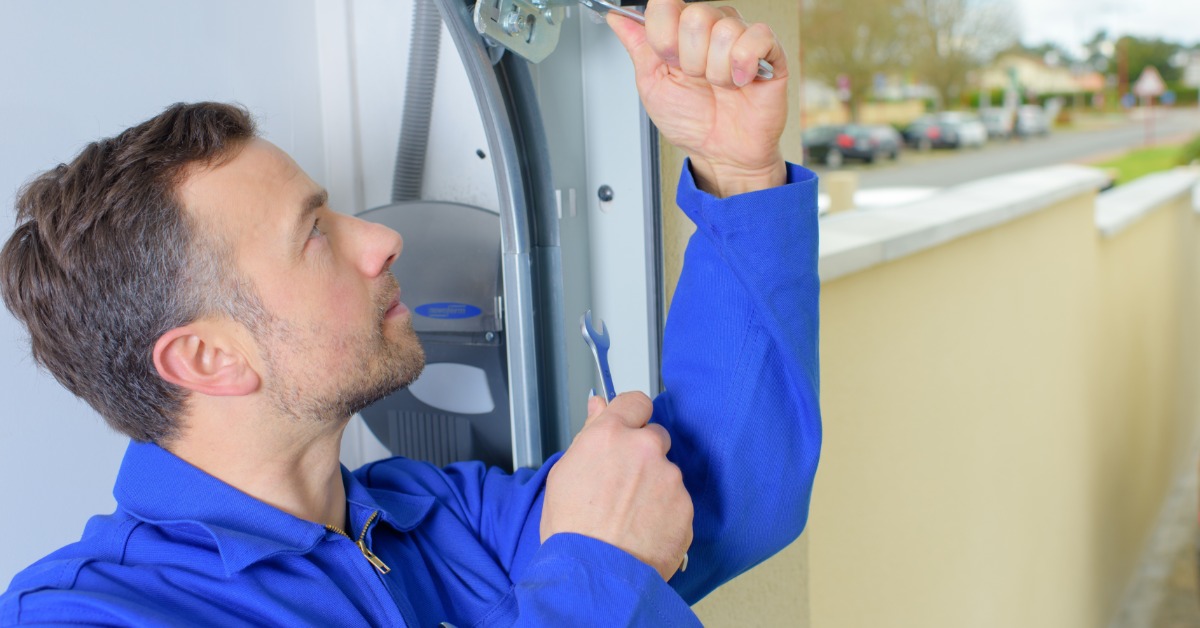
Why Should You Stop Using a Damaged Overhead Door?
Not every unusual noise signals a serious problem, but some warning signs deserve immediate attention. Continuing to operate a damaged door can worsen the issue and create unsafe conditions. Knowing when to stop can prevent a repair from becoming more complicated.
If your door hangs crooked, slips off its tracks, or has a broken spring, don’t attempt to operate it. The same applies when a lift cable appears loose or damaged. These problems can affect the door’s balance and make its movement unpredictable.
You should also stop using the automatic opener if the door unexpectedly reverses or fails to respond properly to its safety sensors. These features help prevent the door from closing on an obstruction, so they need to function correctly.
If you notice any of these problems, keep people away from the opening and contact a professional. Don’t try to force the door open or disconnect the opener when the spring or cable system may be damaged. A technician can determine what’s wrong and safely restore operation.
How Can You Keep Your Overhead Door Reliable?
A reliable overhead door starts with recognizing wear before it turns into a breakdown. Regular inspections and timely repairs help keep the system working safely, while seasonal maintenance is especially important in Central Iowa. Understanding why overhead doors fail makes it easier to spot problems early and prevent avoidable damage.
The Door & Fence Store has served Central Iowa since 1976, helping homeowners keep their overhead doors in good working condition. If your door has started making unusual noises, struggles to open, or has stopped working, our team can find the cause and recommend the appropriate repair. Contact us to schedule garage door service, or call 515-292-4292 for 24/7 emergency assistance when your door needs urgent attention.