A fence might look straightforward once it’s standing, but there’s plenty to figure out before the first post goes into the ground. Where should the gates go? Will the materials hold up to strong winters? And how can you be sure you’re building within your property lines? Knowing how to plan a fence installation the right way helps you answer these questions before they turn into expensive problems.
As always, a little preparation makes a big difference. The decisions you make before installation affect how well your fence looks and functions for years to come. Here’s what to consider before getting started.
Decide What You Need From Your Fence
Before comparing fence styles, think about why you want one. A fence that keeps your dog safely in the yard might look quite different from one designed to block the view from a neighboring property. Your priorities will help determine the height and layout that make sense.
Think about how you’ll use your outdoor space every day. If you have children or pets, secure gates and limited gaps between panels may be especially important. For backyard privacy, you’ll probably want taller panels with little space between boards.
It also helps to think about future plans. Are you considering a patio or garden expansion? Accounting for those changes now can prevent you from having to move or replace sections of fencing later.
Check Your Property Lines and Local Requirements
It’s easy to assume you know exactly where your property ends, especially if there’s already a fence in place. But an existing fence or row of trees doesn’t necessarily mark the legal boundary. Building in the wrong location can lead to disputes with neighbors and expensive corrections.
Start by reviewing your property survey or plat map. If the boundaries aren’t clear, a professional land surveyor can help establish their exact location. This is particularly important when fencing runs close to neighboring properties.
You’ll also need to check local fencing regulations. Requirements vary between communities, so don’t assume the rules in one area are identical to those in another.
Before finalizing your plans, confirm:
- Whether your project requires a fence permit
- The maximum fence height allowed in your location
- Any setback requirements near streets or property boundaries
- Restrictions on fence materials or placement
- Whether your neighborhood association has additional rules
Getting these details settled early helps you avoid unexpected changes once installation begins.
Choose Materials That Fit the Climate
Your fence needs to look good, but it also has to withstand everyday use and changing weather. Central Iowa, for example, brings freezing temperatures and strong winds throughout the year. The material you choose will affect how much maintenance your fence needs down the road.
Consider Wood Fencing
Wood remains a popular choice for homeowners who want a traditional appearance and design flexibility. It works particularly well for privacy fences and can be stained or painted to complement your home.
However, wood requires regular maintenance. Moisture exposure can contribute to warping or rot, while sunlight gradually wears down protective finishes. Plan for periodic staining or sealing to keep it in good condition.
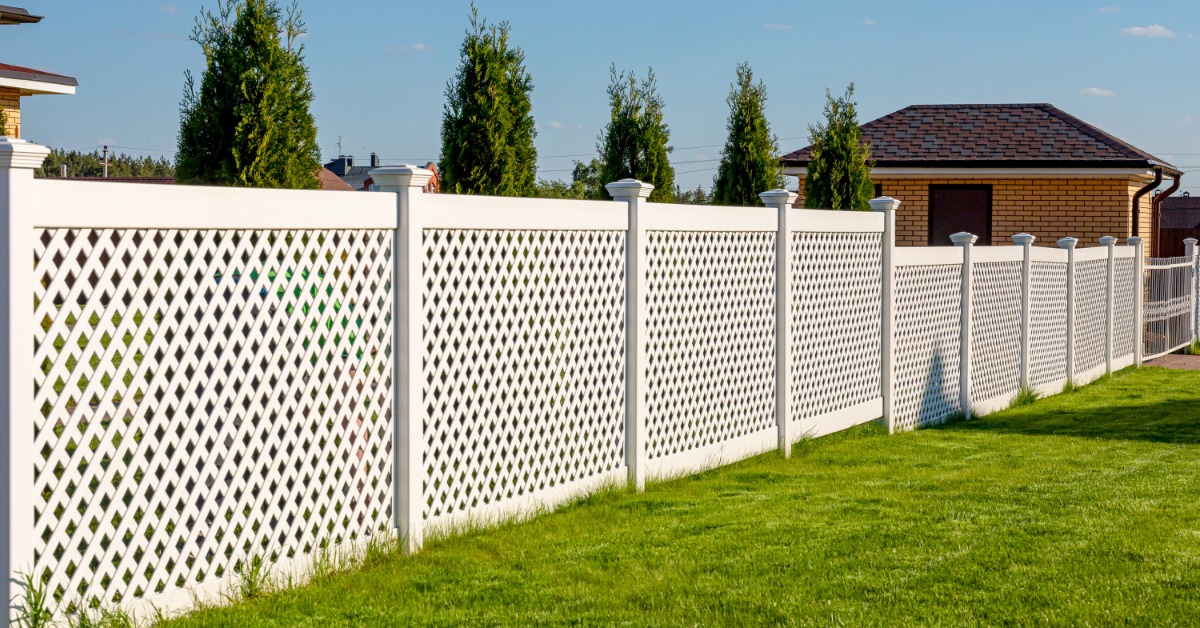
Consider Vinyl Fencing
Vinyl offers a clean appearance without the same maintenance demands as wood. It doesn’t need painting or staining, making it appealing for homeowners who want a fence that’s easier to care for.
Quality matters, though. Some vinyl products can become brittle in extreme cold, and not every design handles wind exposure equally well. Ask your installer about options suited to your area’s seasonal conditions.
Consider Chain-Link Fencing
Chain-link fencing is a practical option when security and visibility matter more than privacy. It works well for enclosing backyards and larger properties without creating a solid visual barrier.
Galvanized or coated chain-link materials resist corrosion and generally require little upkeep. Privacy slats may also be available if you want to reduce visibility through the fence.
Consider Wrought Iron Fencing
Wrought iron provides a decorative appearance while creating a strong property boundary. It’s particularly attractive around front yards and landscaped areas where maintaining an open view is important.
Traditional wrought iron needs protective finishing to prevent rust. Before choosing it, consider whether you’re comfortable with the maintenance involved.
Plan Your Fence Layout and Gate Locations
Once you’ve selected a material, it’s time to think about how the fence will fit your yard. A layout that looks good on paper might not work as well when you’re moving a lawn mower between sections of your property.
Walk around your yard and picture your normal routine. Where do you usually enter the space? Which areas need to remain accessible? You’ll also want to account for existing landscaping and changes in ground elevation.
Gate placement deserves particular attention. A narrow pedestrian gate may be sufficient for everyday access, but larger equipment requires a wider opening. Getting the dimensions right now is much easier than making adjustments after installation.
Consider these practical details:
- Gate widths that accommodate lawn equipment
- Convenient access between the front and backyard
- Enough clearance for gates to swing freely
- Secure latches that suit your household’s needs
- Space around trees and other permanent features
Prepare Your Yard Before Installation Begins
Even a well-planned fence project can run into trouble if the installation area isn’t ready. Taking care of a few things beforehand helps contractors work safely and reduces unnecessary interruptions.
Start by identifying anything that could interfere with the proposed fence line. Overgrown shrubs may need trimming, and movable items should be cleared away. If you’re replacing an existing fence, discuss who will handle its removal and disposal.
Underground utilities require special attention. Utility operators can mark the approximate locations of covered underground lines, helping prevent accidental damage.
Keep in mind that private utility lines may not be included in those markings. Irrigation systems and privately installed electrical lines may require separate locating arrangements. Let your installer know about any underground features you’re aware of before work begins.
Set a Budget and Discuss the Installation Process
Fence costs depend on more than the material you choose. The length of the fence and number of gates both affect the work involved. Sloped ground or difficult access can also influence the overall price.
Request a detailed estimate before committing to a contractor. A clear quote should explain what’s included so you can compare proposals without guessing about additional expenses.
And don’t forget—timing matters. Frozen ground and wet spring conditions can complicate digging and scheduling. Talk with your installer about seasonal limitations rather than assuming the project can begin immediately.
Get Your Fence Project Off to a Strong Start
Planning a fence installation the right way means working through the important decisions before construction starts. When you know your property boundaries and choose materials suited to Iowa’s weather, you’re in a better position to get a fence that works for your yard. Taking the time to plan also helps prevent surprises once the work begins.
If you’re ready to move forward, The Door & Fence Store can help you sort through your fence installation options. We’ve served Central Iowa since 1976 and understand what local properties need from a durable fence. Contact our team for a free quote, and we’ll help you figure out the right fencing solution for your property.