A well-built fence does more than mark your property line. It adds security, privacy, and curb appeal while standing up to Central Iowa’s changing weather. Knowing how to spot early signs of fence damage helps you stay ahead of repairs and protect your investment. Small issues often start quietly, but they can turn into bigger problems if they’re ignored.
Whether your fence is wood, vinyl, aluminum, or steel, paying attention to early warning signs makes a real difference. A quick check now and then helps keep your fence strong, secure, and ready for years of use.
Watch For Changes in Fence Alignment
One of the first signs of trouble is a shift in alignment. Even slight changes can point to underlying issues that may get worse over time. Weather, soil movement, and everyday wear all play a role.
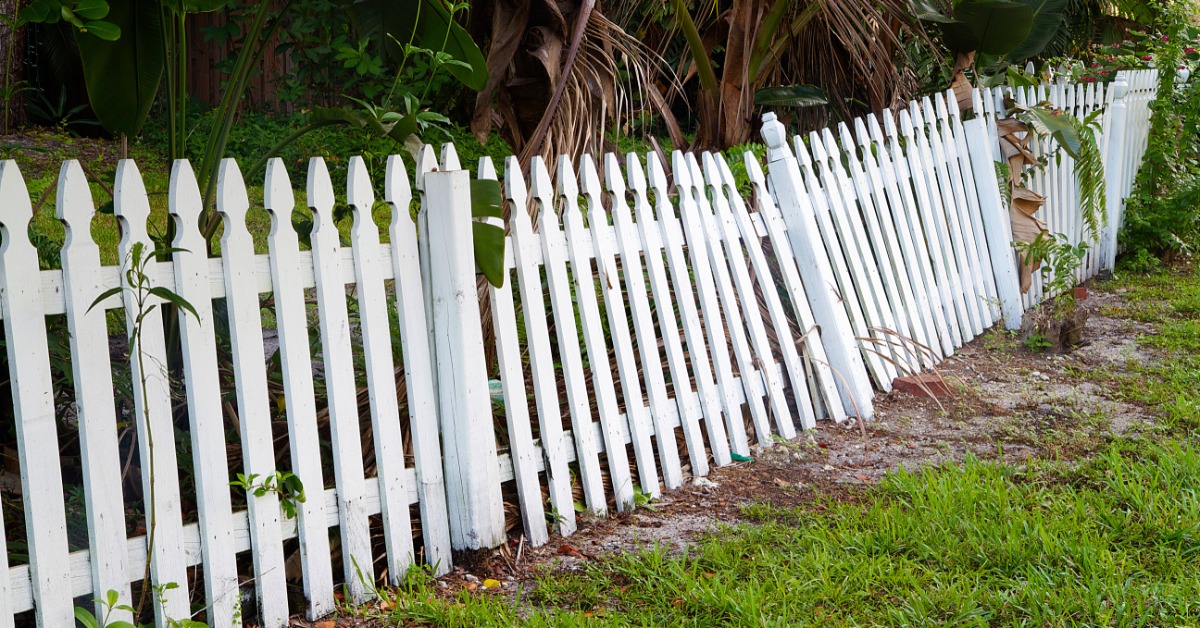
Step back and look along the full length of your fence. If sections appear uneven or no longer run straight, posts may be shifting below the surface. These changes tend to happen gradually, which makes them easy to miss at first.
Leaning posts are another early warning sign. A small tilt can mean the ground has shifted or the base has weakened. In Central Iowa, freeze-thaw cycles can slowly push posts out of position over the seasons.
It also helps to check the spacing between panels. If gaps are widening or becoming uneven, that can signal movement along the fence line. Catching alignment issues early keeps them from turning into more involved structural repairs.
Check For Material Wear and Surface Damage
Each fencing material shows wear in its own way. Knowing what to look for helps you catch damage early and keep your fence in good condition. A simple visual check can reveal more than you might expect.
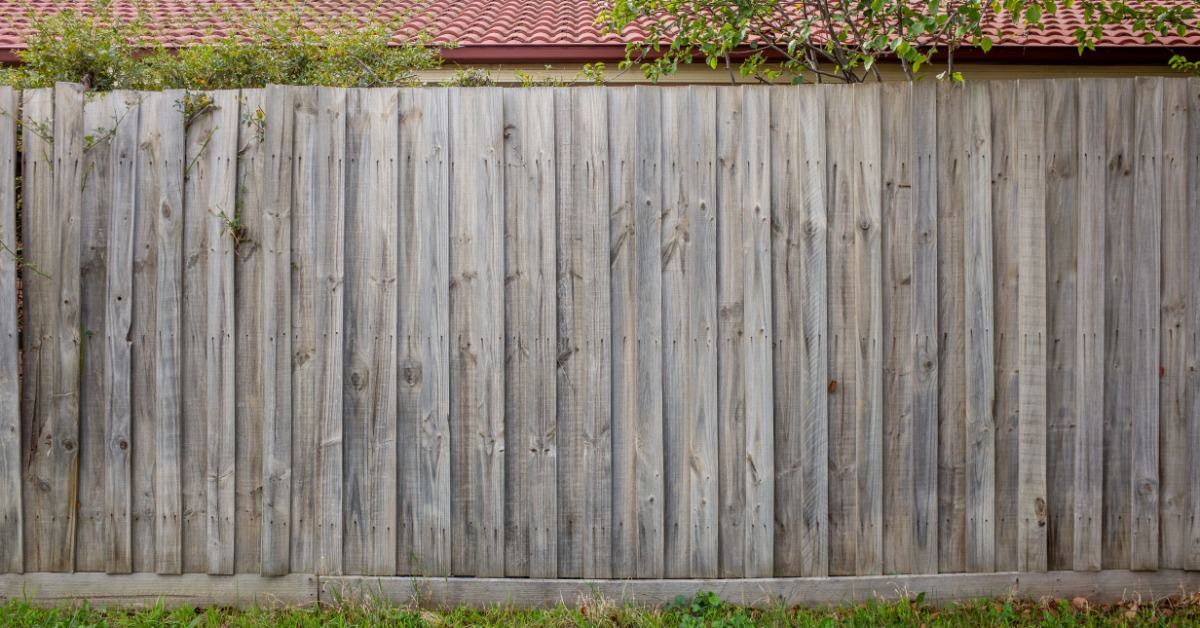
For wood fences, watch for warping, cracking, or soft spots. Moisture can lead to rot, which weakens the structure over time. You may also notice discoloration, which can point to mildew or early decay.
Vinyl fences are low maintenance, but they’re not immune to damage. Cracks or loose connections can develop, especially with temperature changes. Over time, expansion and contraction can put stress on joints.
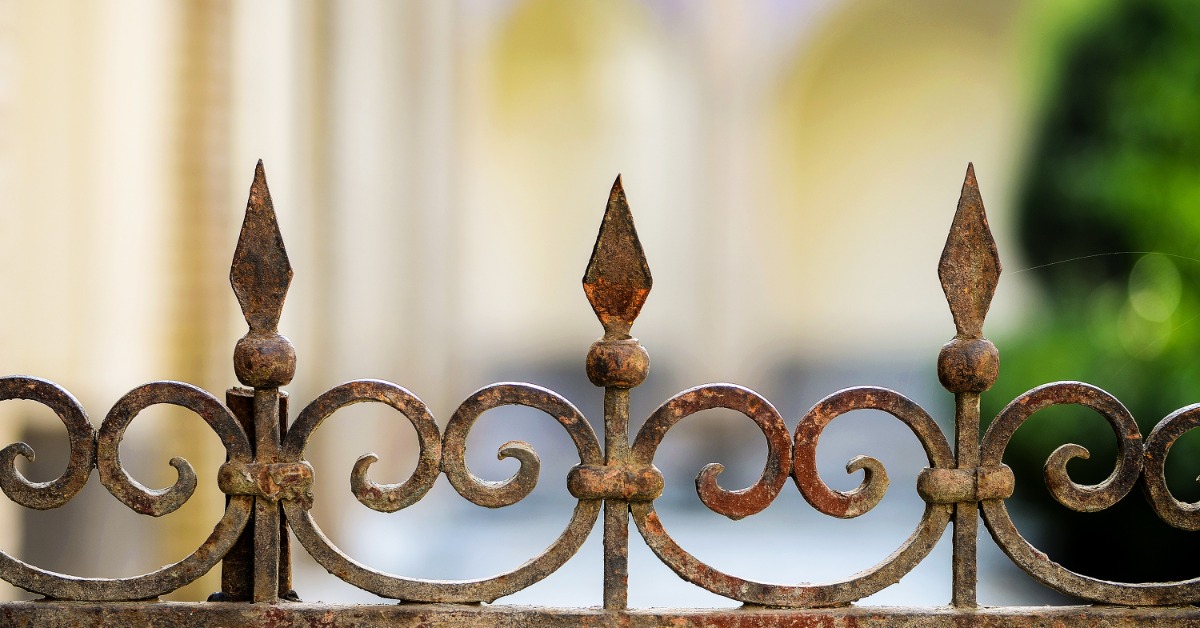
Metal fencing, including aluminum and steel, may show rust or corrosion if the finish wears down. Once exposed, the material underneath can break down faster. Catching this early helps preserve both strength and appearance.
Beyond what you see, pay attention to how the material feels. Rough edges, brittle sections, or unexpected flexibility can signal early weakening. Addressing these small changes helps extend the life of your fence.
Inspect Posts and Ground-Level Stability
Fence posts support the entire structure. When they weaken, everything else follows. Taking a closer look at posts can help you spot problems before they spread.
Look at the base of each post where it meets the ground. Soil that has shifted or settled unevenly may leave posts exposed or unstable. This often happens after heavy rain or seasonal ground movement.
Check for signs of rot or corrosion at ground level. Wood posts are especially vulnerable to moisture buildup in this area. Metal posts may show rust if protective coatings have worn down over time.
You can also test stability by gently applying pressure to the post. A secure post should feel firm with little movement. If it shifts easily, it may need reinforcement or a replacement.
If your fence includes concrete footings, take a moment to inspect them. Cracks or separation around the base can reduce support and lead to further movement. Addressing foundation issues early helps prevent more extensive repairs.
Monitor Gate Movement and Hardware Condition
Gates see frequent use, which makes them more likely to show early signs of wear. If your gate doesn’t open and close smoothly, it’s worth taking a closer look. These issues can quickly affect both function and security.
A properly working gate should move without dragging or sticking. Misalignment often points to worn hinges or a shifting frame. Over time, this can place extra strain on nearby sections of the fence.
Take a moment to check key hardware components:
- Hinges that have loosened or begun to squeak
- Latches that no longer close securely
- Fasteners that have shifted out of place
- Frames that appear slightly out of square
It’s also helpful to listen while using the gate. New sounds, like grinding or creaking, often show up before visible damage. Staying ahead of these small changes helps keep your gate reliable and secure.
Consider the Weather and Environmental Impact
Central Iowa weather plays a major role in fence performance. Seasonal changes can accelerate wear if your fence isn’t regularly inspected. Staying aware of environmental impact helps you catch issues early.
Moisture is a common concern. Standing water near your fence line can weaken posts and speed up material breakdown. Proper drainage helps reduce long-term damage.
Strong winds can also put stress on panels and posts. Over time, this may cause sections to loosen or lean. After major storms, it’s a good idea to walk your property and check for new damage.
Sun exposure is another factor. Over time, ultraviolet (UV) rays can fade materials and reduce their strength. Regular maintenance, such as cleaning or sealing, helps protect your fence from these effects.
Seasonal debris can also contribute to wear. Leaves and dirt around the base of your fence can trap moisture against materials. Keeping the area clear helps your fence dry properly and slows down deterioration.
Know When To Call a Professional
Some fence issues can be handled with basic maintenance, but others require professional attention. Knowing when to call for help helps protect your property and avoid further damage. It also ensures repairs are handled safely and correctly.
If you notice multiple leaning sections, damaged panels, or signs of structural failure, it’s time to bring in an expert. These problems often go beyond simple fixes and may require more involved repairs.
Routine professional inspections can also provide peace of mind. Experienced technicians know what to look for and can recommend practical next steps. This approach helps you stay ahead of problems instead of reacting to them later.
Stay Ahead of Fence Damage With Early Action
Staying proactive is the best way to protect your fence and avoid costly repairs. When you know how to spot early signs of fence damage, you can take action before small issues turn into larger concerns. Regular checks, especially after seasonal changes, make a noticeable difference.
Your fence plays an important role in security, privacy, and curb appeal. Keeping it in strong condition helps maintain the value and function of your property. A little attention now can extend the life of your entire system.
If you’ve noticed signs of wear or want a professional opinion, The Door & Fence Store is here to help. Serving Central Iowa since 1976, our team delivers expert fence installations and repairs that you can rely on. Contact us today for a free quote or to schedule an inspection to keep your fence secure.